The Future of Artificial Intelligence in the Next Decade

The Future of Artificial Intelligence in the Next Decade
Artificial intelligence is entering a new phase of development that is expected to reshape technology, business operations, and everyday life over the next decade. Recent advances have already expanded AI capabilities beyond text generation into image analysis, language understanding, and complex decision support. Future progress is expected to focus on making AI more efficient, accessible, adaptable, and integrated across industries while maintaining responsible governance and security standards.
AI Models Are Becoming More Efficient and Accessible
The next generation of artificial intelligence is likely to move towards smaller and more efficient models capable of delivering high quality results with fewer computational resources. This transition can reduce operating costs, improve processing speed, and enable AI deployment on everyday devices.
At the same time, open development approaches and modular AI services are expected to encourage wider innovation. Organisations may increasingly adopt customised AI solutions designed for specific business functions rather than relying solely on large general purpose systems. This shift supports greater flexibility while improving productivity across multiple sectors.
Multimodal AI Will Improve Human Computer Interaction
Future AI systems are expected to process and combine text, speech, images, video, and other forms of data within a single interaction. This multimodal capability can create more natural communication between humans and machines by understanding information from multiple sources simultaneously.
Such developments may support advanced virtual assistants capable of generating written content, visual explanations, audio responses, and educational materials based on user requirements. Improved interaction methods can enhance accessibility and simplify the use of digital technologies for individuals and organisations alike.
AI Will Become More Integrated into Business Operations
Artificial intelligence is expected to play a greater role in strategic planning and operational management. Advanced analytical capabilities can assist organisations by processing large volumes of information, identifying patterns, and supporting informed decision making. Specialised autonomous AI systems may handle routine workflows, customer interactions, and technical processes while allowing human professionals to focus on planning, innovation, and complex problem solving. As automation expands, businesses may experience improved efficiency, faster response times, and better resource utilisation.
Responsible Development Will Shape Future Growth
As AI adoption increases, governance frameworks and ethical standards are expected to become more important. Future regulations may require greater transparency, cybersecurity measures, human oversight, and mechanisms to reduce bias and inaccurate outputs.
Organisations are also expected to improve data governance as synthetic data and proprietary datasets become more common for AI training. These measures can strengthen trust, support responsible innovation, and encourage wider acceptance of artificial intelligence across critical sectors.
Long Term Impact on Society
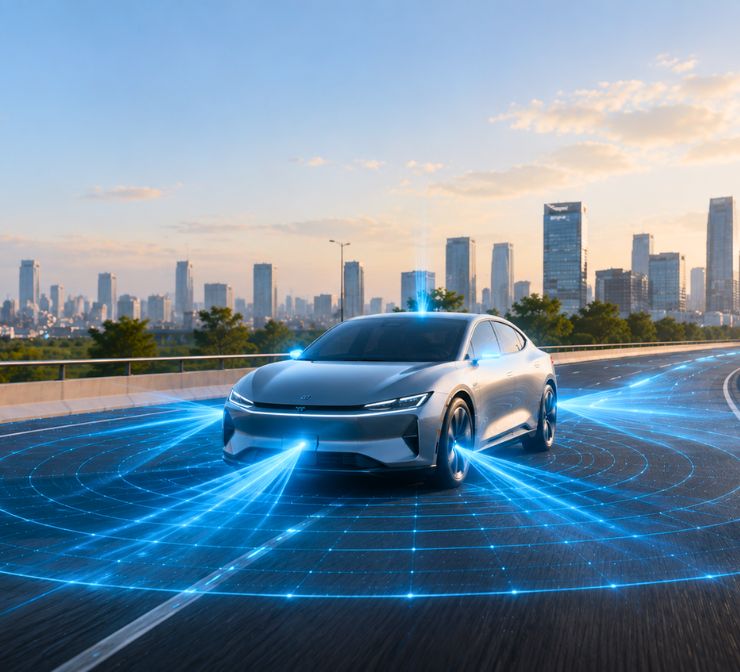
Artificial intelligence is likely to influence manufacturing, healthcare, education, finance, transportation, and public services through increased automation and intelligent decision support. While some repetitive jobs may be transformed or replaced, demand for skills related to AI development, oversight, security, and governance is expected to grow.
Challenges such as misinformation, deepfakes, energy consumption, and data availability will require continuous attention alongside technological advancement. The future of artificial intelligence will therefore depend not only on innovation but also on balancing efficiency, accessibility, security, and ethical responsibility. As these developments continue, AI is expected to become an increasingly important component of global digital infrastructure and economic growth.
FAQs
1. What is the future direction of artificial intelligence?
Artificial intelligence is expected to become more efficient, accessible, multimodal, and integrated into business and everyday applications over the next decade.
2. What is multimodal AI?
Multimodal AI combines text, voice, images, video, and other data types to deliver more natural and comprehensive human computer interactions.
3. How will AI affect businesses in the future?
AI can automate workflows, improve decision making, enhance customer services, and increase operational efficiency across industries.
4. Why are smaller AI models becoming important?
Smaller models require fewer computing resources, operate faster, reduce costs, and can be deployed on a wider range of devices.
5. Why are AI regulations necessary?
AI regulations help ensure transparency, fairness, cybersecurity, human oversight, and responsible deployment while reducing risks associated with advanced AI systems.
Latest Posts